X语言案例2:水箱模型案例
模型由三个部分构成,分别是蓄水池,水箱和智能体(PI控制器)。水箱从蓄水池获得水源,然后由pi控制器控制水位稳定在一定范围。 蓄水池模型在时间小于150s的时候输出水流量较小,在150s之后输出增大为三倍,所以可以看到水池水位在经过初始的稳定后在150s左右又再次增加并再次由PI控制器控制稳定。
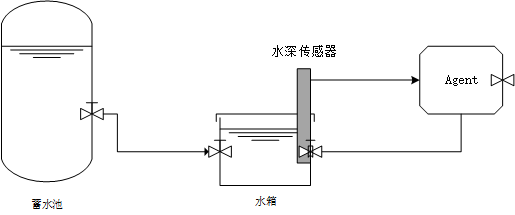
总模型结构图
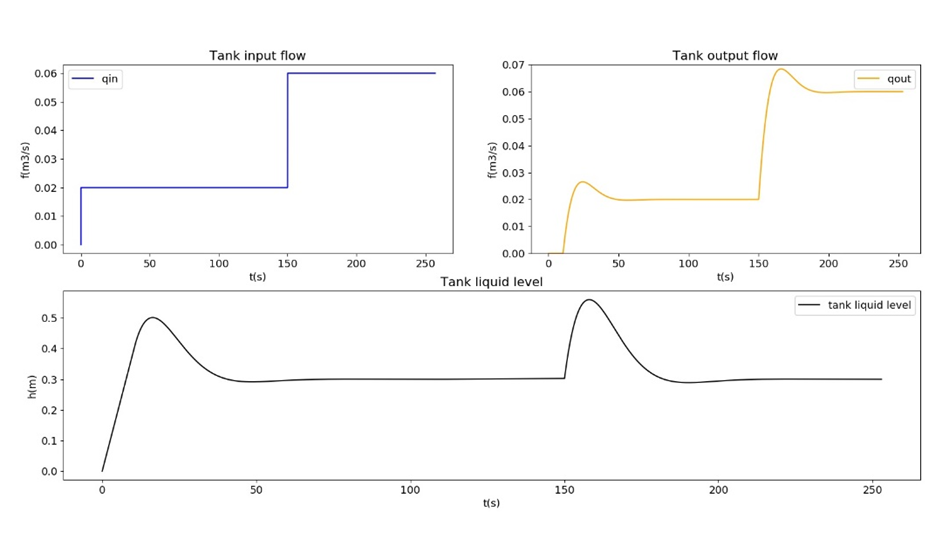
仿真结果图
1.顶层模型
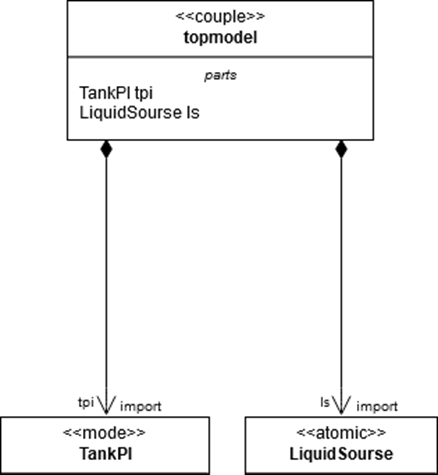

X语言代码:
couple topmodel
import TankPI
import LiquidSourse
part:
TankPI tpi;
LiquidSource ls;
connection:
connect(ls.qOut,tpi.qIn);
end;
2.水箱PI模型
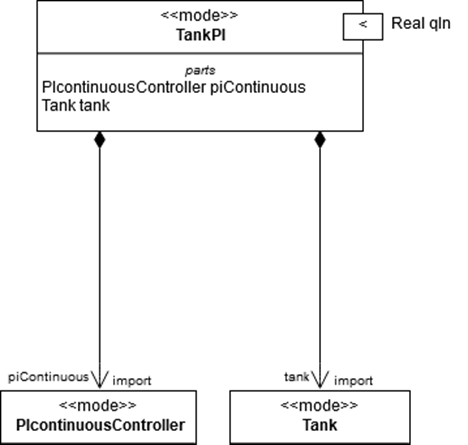
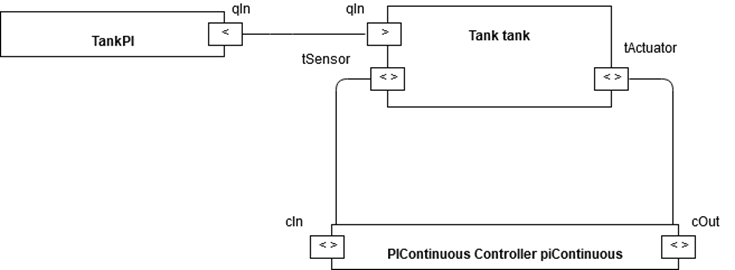
X语言代码:
couple TankPI
import PIcontinuousController
import Tank
part:
PIcontinuousController piContinuous;
Tank;
port:
event_input Real qIn;
equation:
connect (TankPI.qIn,tank.qIn);
connect (tank.tActuator, piContinuous.cOut};
connect (tank.tSensor, piContinuous.cIn);
end;
3.蓄水池模块
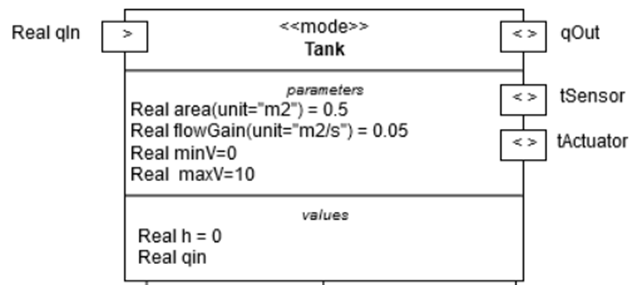
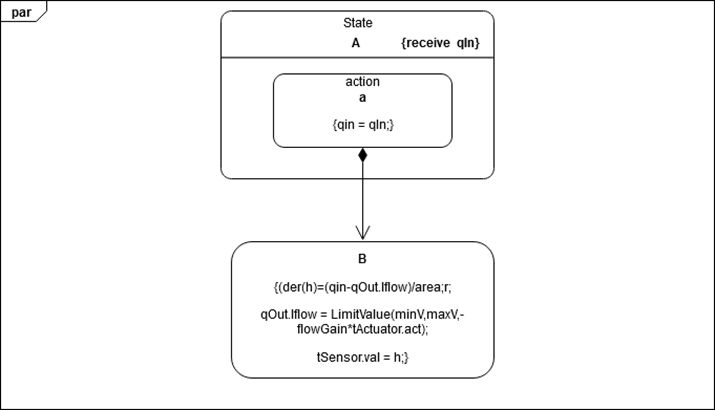
X语言代码:
continuous Tank
parameter:
real area = 0.5;
real flowGain= 0.05;
real minV=0, maxV=10;
value:
real h = 0;
real qin;
port:
event input real qIn;//输入
event input real tActuator;//调节水流量信号
event output real tSensor; //测量水深信号
event output real qOut;输出
equation:
when receive(qIn) then
qin = qIn;
end receive;
der(h)=(qin-qOut)/area;
qOut = LimitValue(minV,maxV,-flowGain*tActuator);//LimitValue是函数
tSensor = h;
end;
4.水源模块
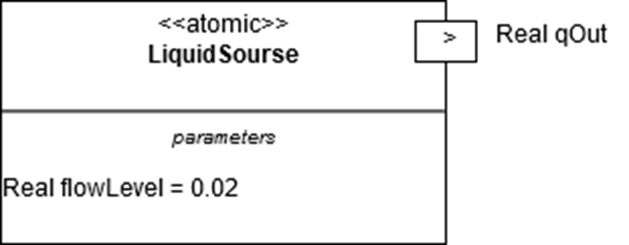

X语言代码:
discrete LiquidSource
parameter real flowLevel = 0.02;
port:
event output real qOut;
state:
initial state init
when entry then
statehold(0);
end;
when timeover() then
transition(pass);
out
send(qOut,flowLevel);
end ;
end ;
state pass
when entry then
statehold(150);
end;
when timeover() then
transition(idle);
out
send(qOut,3*flowLevel);
end ;
end;
state idle
when entry then
statehold(infinity);
end;
end;
end;
5.智能体控制器模块(PI控制器)
X语言代码:
agent PIcontinuousController
plan plan1
value:
real cin;
real cout;
action:
cin = receive(false);
x = x + e*error/T ;
cout = K*(error + x);
error = ref - cin;
msg = message{cout};
send(msg);
end;
parameter:
real Ts=0.1;
real K=2;
real T=10;
real ref;
value:
real x;
real error = 0;
real outCtr;
action:
run(plan1);
end;